
Summer brings longer days, backyard barbecues, vacations, and more time outdoors. But it also brings something many people don’t look forward to—trying to fall asleep in a warm bedroom after a hot summer day.
Have you ever found yourself tossing and turning, flipping your pillow to the cool side, or kicking the blankets off only to pull them back on a few minutes later? If so, you’re not alone.
Many people notice they don’t sleep as well during the summer months. While changes in schedules, travel, and longer daylight hours can all play a role, one of the biggest factors is often something we don’t think about: temperature.
It turns out that your body is designed to sleep in a cooler environment. When temperatures stay high—even overnight—getting quality sleep becomes much more difficult.
Your Body Needs to Cool Down to Fall Asleep
Sleep isn’t something that simply happens when you’re tired. It’s a carefully coordinated biological process controlled by your body’s internal clock, known as the circadian rhythm.
As bedtime approaches, your brain begins preparing your body for sleep by releasing melatonin, the hormone that helps regulate your sleep-wake cycle. At the same time, your core body temperature naturally begins to drop. This cooling process signals to your body that it’s time to rest.
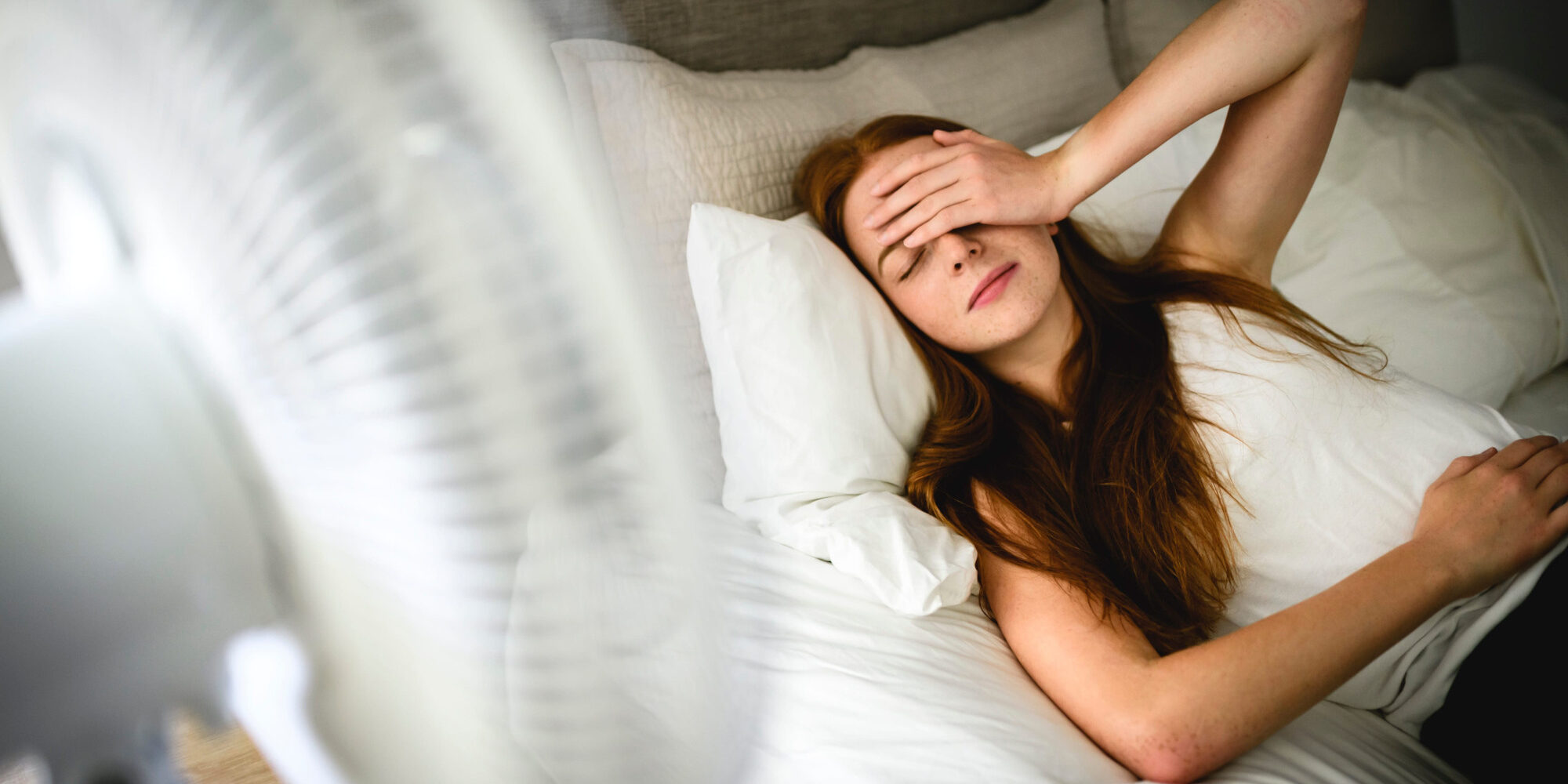
If your bedroom is too warm, your body has a harder time releasing heat. Instead of relaxing into sleep, it continues working to cool itself down.
That’s why even when you feel physically exhausted, a hot room can leave you staring at the ceiling instead of drifting off to sleep.
Heat Doesn’t Just Delay Sleep—It Can Affect Sleep Quality
Many people assume that once they finally fall asleep, the problem is solved. Unfortunately, warm temperatures can continue to affect sleep throughout the night.
Research has shown that excessive heat can:
- Increase nighttime awakenings
- Reduce deep (slow-wave) sleep
- Decrease REM sleep, the stage associated with memory, learning, and emotional processing
- Leave you feeling less refreshed the next morning
In other words, you may spend eight hours in bed but still wake up feeling as though you hardly slept at all.
Who Is Most Affected by Summer Heat?
While anyone can struggle with sleep during hot weather, some groups are particularly vulnerable.
Older Adults
As we age, our bodies become less efficient at regulating temperature. Older adults may also take medications or have medical conditions that make it more difficult to stay cool at night.
Infants and Young Children
Children are especially sensitive to heat, and maintaining a comfortable sleep environment is important for healthy sleep and overall well-being.
People with Chronic Health Conditions
Individuals living with heart disease, diabetes, respiratory conditions, or neurological disorders may experience greater difficulty sleeping during periods of extreme heat.
People with Sleep Disorders
Those with insomnia, restless legs syndrome, or obstructive sleep apnea (OSA) may find that summer temperatures make existing sleep problems even more noticeable.

Can Summer Heat Affect Sleep Apnea?
For individuals with obstructive sleep apnea, summer can present a few unique challenges.
Warm, humid weather may contribute to nasal congestion, making breathing feel more difficult. Some people also find wearing a CPAP mask less comfortable during hot nights and may be tempted to skip treatment.
However, consistent use of CPAP remains one of the most effective ways to manage obstructive sleep apnea. If heat or humidity is making therapy uncomfortable, talk with your sleep medicine provider or equipment supplier. Adjustments to mask fit, humidification settings, or bedroom cooling strategies can often make a significant difference.
Six Tips for Sleeping Better During the Summer
The good news is that a few simple adjustments can help your body stay cooler and improve sleep quality—even during the hottest months of the year.
1. Keep Your Bedroom Cool
Experts generally recommend a bedroom temperature between 60 and 67 degrees Fahrenheit (15.5–19.4°C) for optimal sleep. Air conditioning, fans, or blackout curtains can help maintain a cooler environment.
2. Choose Breathable Bedding
Natural fabrics such as cotton, bamboo, or linen allow better airflow than heavier synthetic materials and can help reduce overheating during the night.
3. Take a Lukewarm Shower Before Bed
While a cold shower may sound appealing, a lukewarm shower can actually be more effective. As your body cools afterward, it reinforces the natural drop in core body temperature that promotes sleep.
4. Stay Hydrated Throughout the Day
Dehydration can make it more difficult for your body to regulate temperature. Drinking enough water during the day supports normal cooling mechanisms, though it’s wise to avoid large amounts of fluid immediately before bedtime to reduce nighttime bathroom trips.
5. Limit Late Evening Exercise
Regular physical activity is excellent for sleep, but vigorous exercise immediately before bed temporarily raises body temperature. On especially warm evenings, consider exercising earlier in the day.
6. Stick to a Consistent Sleep Schedule
Long summer evenings and vacation schedules can make it tempting to stay up later. Maintaining regular bedtimes and wake times helps keep your circadian rhythm on track, making it easier to fall asleep—even when temperatures rise.
When It’s More Than Just the Weather
Not every sleep problem during the summer is caused by heat.
If you’re consistently experiencing symptoms such as loud snoring, waking up gasping for air, morning headaches, excessive daytime sleepiness, or difficulty concentrating, it’s important to discuss these concerns with your healthcare provider. These symptoms could indicate an underlying sleep disorder, such as obstructive sleep apnea, that deserves further evaluation.
Enjoy Summer—Without Losing Sleep
Summer is meant for making memories, spending time outdoors, and enjoying longer days—not lying awake wishing your bedroom were cooler.
While we can’t control the weather, we can create a sleep environment that works with our body’s natural rhythms instead of against them. Keeping your bedroom cool, maintaining a consistent sleep schedule, and practicing healthy sleep habits can go a long way toward improving your rest.
Sometimes, the smallest changes—like lowering the thermostat or switching to lighter bedding—can make the biggest difference.
Because whether it’s the middle of winter or the peak of summer, good sleep remains one of the most important investments you can make in your overall health.
References
- American Academy of Sleep Medicine. (2023). Healthy Sleep Habits. https://sleepeducation.org
- National Sleep Foundation. Ideal Bedroom Temperature for Sleep. https://www.thensf.org
- National Heart, Lung, and Blood Institute. Why Is Sleep Important? https://www.nhlbi.nih.gov/health/sleep/why-sleep-important
- Okamoto-Mizuno K, Mizuno K. Effects of Thermal Environment on Sleep and Circadian Rhythm. Journal of Physiological Anthropology. 2012;31:14.
- Kräuchi K, Deboer T. The Interrelationship Between Sleep Regulation and Thermoregulation. Frontiers in Bioscience. 2010;15:604-625.